Giddy Up Rodeo Svg Review: Cowboy Embroidery for Real Projects
As a designer who spends half the day troubleshooting tension issues and the other half evaluating digital assets for commercial viability, I don’t just look at an embroidery file; I look at its potential. When I first pulled up Giddy Up Rodeo Svg, Cowboy Svg, created by uzzalroy9706, my initial reaction wasn’t about the aesthetic alone—it was about utility. In the crowded markets of Etsy and craft fairs, a design needs to do more than just look cute; it needs to stitch cleanly, hold up to washing, and resonate with a specific buyer persona. This particular asset falls squarely into the Crafts category under Graphics, but for us in the embroidery world, it’s a tool for building brand identity and selling finished goods.
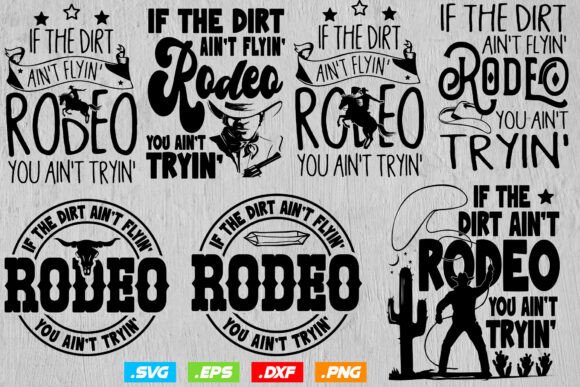
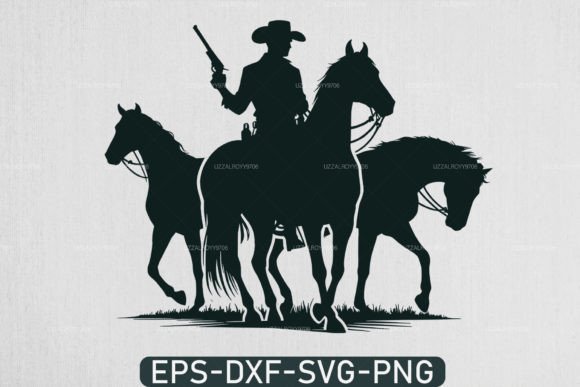
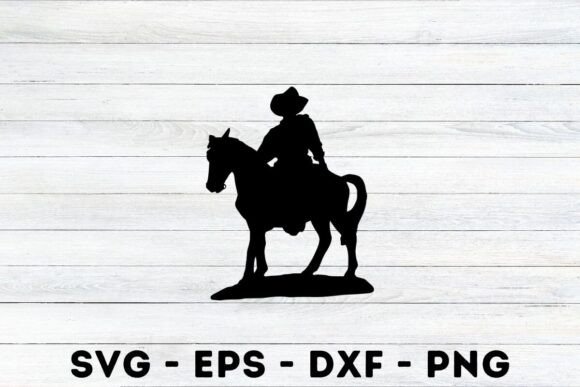
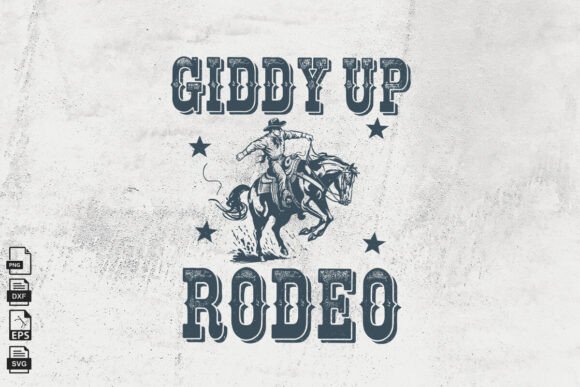
The theme is unmistakably Western. The phrase "Giddy Up" paired with cowboy imagery taps into a timeless niche that performs consistently well year-round. It’s not just a trend; it’s a lifestyle aesthetic. Whether you are targeting rodeo enthusiasts, country music fans, or parents looking for rustic-themed nursery decor, this machine embroidery design bridges the gap between playful and rugged. My first impression was one of clear visual hierarchy. The layout feels balanced, suggesting that the digitizer understood how space works within a hoop. For a handmade product to feel professional, the negative space must be respected, and this design seems to honor that principle.
Real-World Application: From Screen to Stitch
To truly evaluate any embroidery file, you have to imagine it on fabric. Let’s walk through a realistic scenario. Imagine you are preparing inventory for a local farmers market or updating your Etsy listings. You decide to create a line of custom tote bag designs featuring this motif. The bold nature of the text and the central cowboy graphic would translate beautifully onto canvas or heavy cotton twill bags. The contrast between the thread colors and the natural fabric texture would give it that authentic, artisanal feel that buyers crave.
However, let’s shift the context. What if you wanted to use this for sweatshirt embroidery on a unisex crewneck? Here, the design’s scale becomes critical. If the original vector is too large, it might overwhelm a standard chest placement. If it’s too small, the details get lost in the fleece. This is where practical judgment comes in. Before committing to a bulk run, I always test the stitch density on scrap material. With a design like Giddy Up Rodeo Svg, Cowboy Svg, you need to ensure that the fill stitches aren’t so dense that they cause puckering on softer jersey knits. A little bit of breathability in the stitching makes the garment more comfortable to wear, which directly impacts customer satisfaction and reduces returns.
Another strong use case is personalized gifts. Think about baby items. A soft onesie or a burp cloth with this western theme could be a hit for gender-neutral baby showers. The rustic vibe pairs well with earth tones—mustard yellows, burnt oranges, and deep greens. When you pair these thread colors with the right fabric, the finished product looks curated rather than mass-produced. That distinction is what drives sales in the craft business.
Technical Considerations and Fabric Constraints
No design is perfect for every surface, and being honest about limitations is part of being a professional reviewer. There are specific scenarios where Giddy Up Rodeo Svg, Cowboy Svg requires careful handling. First, consider textured fabrics. If you attempt to embroider this on a heavily woven burlap or a thick sherpa, the needle penetration might struggle, leading to skipped stitches. Always inspect the stabilizer choice beforehand. For stable fabrics like denim or canvas, a cut-away stabilizer is usually non-negotiable to maintain structure over time. For lighter fabrics, a tear-away might suffice, but only after testing.
Curved surfaces present another challenge. Many crafters love putting logos on embroidered patches or caps. While this design has a straightforward shape, applying it to the curved front of a baseball cap requires precise hooping techniques. If the fabric isn’t pulled taut enough, the satin stitch edges around the text may distort. I recommend using a specialized cap frame and ensuring the design is centered perfectly before starting the machine. Additionally, avoid placing this design on stretchy materials without proper stabilization, as the elasticity can cause the embroidery to wave or ripple after washing.
Dark fabrics also demand attention. If you plan to use white or light-colored threads for highlights, make sure the base color of the fabric provides enough contrast. Sometimes, a dark background can swallow up fine details, especially if the running stitch elements are thin. Testing in black and white mockups can help you visualize this contrast digitally before you waste expensive thread and fabric.
Design Value and Brand Consistency
From a branding perspective, consistency is key. If you are building a shop focused on rustic, western, or Americana themes, having a versatile asset like this allows you to expand your catalog quickly. You can adapt the same core graphic for different products—a kitchen towel, a pillow cover, or even a holiday embroidery project if you add seasonal elements like autumn leaves or winter snowflakes around the border. This flexibility increases the perceived value of your design assets.
For small shop owners, the efficiency of using a pre-made digital embroidery file cannot be overstated. It allows you to focus on marketing and customer service rather than spending hours digitizing from scratch. However, this efficiency comes with responsibility. You must ensure that the final output meets high-quality standards. A sloppy execution can damage your reputation faster than a slow production cycle.
Practical Designer Notes for Success
Before you upload this to your machine or list a product made with it, follow these essential steps:
- Test on Scrap Fabric: Never skip this step. Different threads (polyester vs. rayon) react differently to the same digitization. Rayon shines but can shine-through on certain fabrics, while polyester is matte and durable.
- Check Hoop Size: Confirm that the design fits comfortably within your most common hoop sizes. If the design is borderline, you may need to resize it, which can alter the aspect ratio and visual balance.
- Review Licensing: This is crucial for commercial embroidery. Ensure that the license for Giddy Up Rodeo Svg, Cowboy Svg permits the sale of physical goods. Some licenses restrict the number of units you can sell or prohibit resale entirely. Clear licensing protects your craft business from legal issues.
- Inspect Small Details: Zoom in on the digital preview. Are there tiny gaps in the fill stitch areas? Is the lettering legible at the intended size? These micro-details determine whether a piece looks handmade or cheap.
- Compare Backgrounds: Test the design against both light and dark backgrounds. A design that pops on white might disappear on gray. This helps you curate your product photography and printable mockup strategies effectively.
In conclusion, Giddy Up Rodeo Svg, Cowboy Svg is a solid addition to any designer’s library if used with intention. It offers strong thematic appeal and versatility across various embroidery projects. By paying attention to fabric selection, stabilizer usage, and licensing terms, you can transform this digital graphic into a tangible, profitable handmade product. It’s not just about stitching words; it’s about crafting an experience for the end user. When done right, this design can be the centerpiece of a successful collection, appealing to anyone who loves the spirit of the west.