Cowboy Svg Embroidery Review
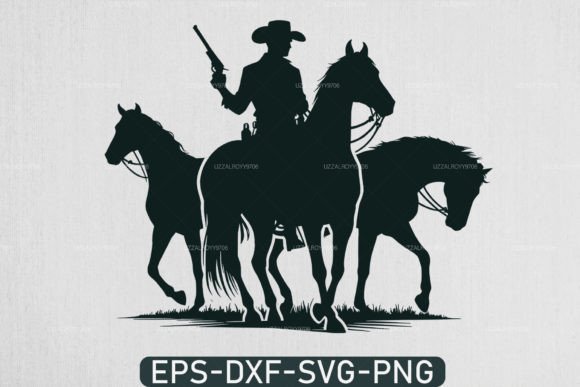
As a designer who spends more time than I care to admit staring at stitch density maps and fabric swatches, I don’t just buy graphics; I evaluate them for their potential in the hoop. When I first pulled up Cowboy Svg, my immediate reaction wasn't about the file format—it was about the mood. This design carries a distinct western flair that feels less like a generic clipart and more like a curated asset ready for real-world application. It’s invigorating, sure, but more importantly, it is structured with the kind of variety that makes an embroiderer’s job easier rather than harder.
I recently took this design through its paces, not just as a digital preview, but as a tangible part of a small batch production run for a boutique gift shop. The goal was to create a cohesive line of handmade products that felt personal yet professional. Here is my practical breakdown of how this embroidery file performs when you move from screen to fabric.
First Impressions: Visual Personality and Layout
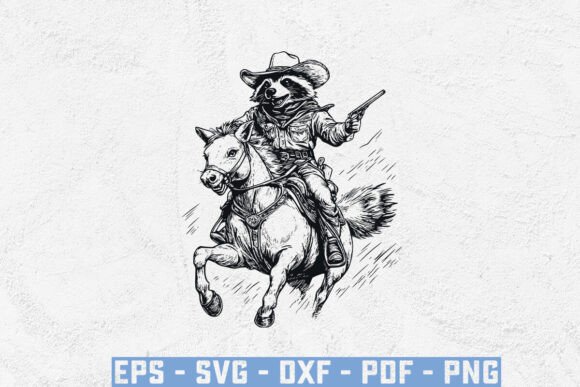
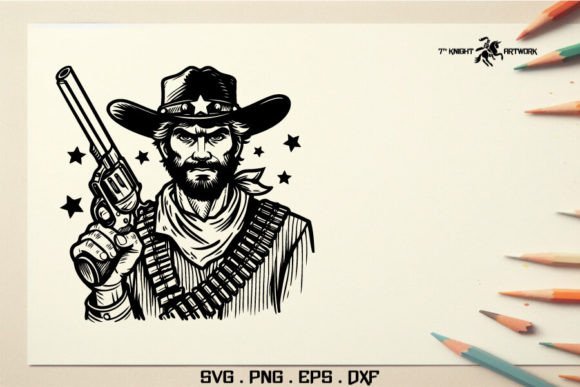
The first thing you notice about Cowboy Svg is its confidence. The layout doesn’t feel cluttered, which is a common pitfall in western-themed designs where too many elements compete for attention. Whether used as a standalone centerpiece or integrated into a larger composition, the shape holds its own. It has a visual weight that suggests durability and tradition, making it an excellent choice for brands that want to evoke rustic charm without looking dated.
In terms of detail level, the design strikes a balance. It isn’t so intricate that it requires a microscopic eye to appreciate, nor is it so simple that it looks flat after stitching. This middle ground is crucial for machine embroidery design because it ensures that the final product reads clearly from a distance. For an Etsy seller or a craft business owner, this clarity translates directly to higher conversion rates on listings, as customers can instantly understand what they are buying.
Real-World Application: Where It Shines
I tested Cowboy Svg across several different mediums to see how it would hold up in actual use. The versatility of the included files—specifically the SVG, EPS 8, and PNG 8 options—allowed me to adapt the design for various graphics needs before committing to thread.
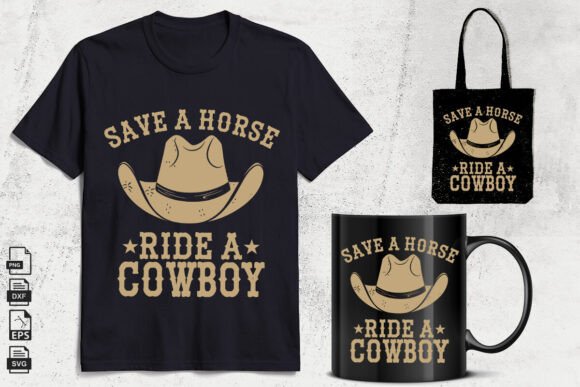
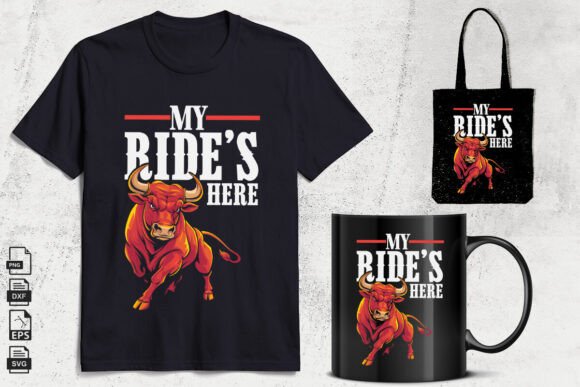
- Custom Apparel: On a heavyweight cotton sweatshirt, the design sat perfectly centered on the chest. The lines remained crisp, and the overall silhouette maintained its integrity even after washing. It pairs exceptionally well with denim jackets or flannel shirts, creating a classic custom apparel look that appeals to a broad audience.
- Tote Bags and Aprons: One of my favorite uses was on canvas tote bags. The western theme adds a touch of personality to everyday carry items, making them ideal for farmers' markets or boutique branding. The design’s proportions worked beautifully on the front panel, leaving enough negative space to keep the bag from feeling overloaded.
- Baby Items and Nursery Decor: Surprisingly, this design also translated well to softer applications. When scaled down appropriately for baby onesies or nursery wall art, it offers a gender-neutral option that parents appreciate. The clean lines ensure that even on delicate fabrics, the design doesn’t look harsh or aggressive.
- Holiday Gifts: During the holiday season, this design became a standout for personalized gifts. Whether embroidered on kitchen towels or decorative pillow covers, it added a festive, rustic touch that resonated with buyers looking for unique, handmade presents.
Technical Considerations and Potential Pitfalls
While Cowboy Svg is robust, no design is universal. As an experienced reviewer, I must point out where caution is needed. Not every fabric surface is created equal, and understanding these limitations is key to avoiding costly mistakes.
First, consider the hoop size. If you are working with smaller hoops, you may need to adjust the scale of the design to ensure all critical details are captured. Tiny lettering or intricate corners might get lost if the design is pushed to the absolute limit of a small frame. Always test your stitch density on scrap fabric before running a full production batch.
Fabric texture plays a significant role in the final appearance. On highly textured fabrics like chunky knits or bouclé, the definition of the satin stitch areas might be slightly obscured. Similarly, on stretchy fabrics, there is a risk of distortion if proper stabilizer isn’t used. I strongly recommend using a cut-away stabilizer for garments that will undergo frequent washing to maintain the structural integrity of the embroidery project.
Another area to watch is dark fabric. While the design itself is neutral, the contrast provided by your thread colors will determine readability. Lighter threads on dark backgrounds require careful selection to ensure the design pops. Conversely, on light fabrics, darker threads provide strong definition. Testing in black and white mockups can help you visualize this contrast before you commit to a color palette.
Design Value and Customer Trust
For small shop product creators, the quality of your design assets directly impacts customer trust. A poorly digitized design can look sloppy, leading to returns and negative reviews. Cowboy Svg, however, demonstrates a level of professionalism that enhances brand consistency. When customers receive a finished product that looks polished and intentional, they are more likely to leave positive feedback and become repeat buyers.
This design also lends itself well to printable mockups. Because the vector files (SVG and EPS) allow for easy scaling and color changes, you can quickly generate multiple variations for your online store. This flexibility is invaluable for digital product sellers who need to showcase their items in diverse settings without reshooting photos every time.
Practical Designer Notes
Before you start stitching, keep these tips in mind to ensure success:
- Test First: Always run a test stitch on scrap fabric that matches the weight and texture of your final material. This helps you identify any issues with tension or stabilizer choice early.
- Check Licensing: Ensure you have the right to use this design for commercial purposes if you plan to sell finished items. Confirming licensing terms protects your business and respects the creator’s rights.
- Inspect Details: Zoom in on the digital file to inspect small details. Look for any overlapping paths or unnecessary nodes that might cause stitching errors.
- Compare Backgrounds: Test the design against both light and dark fabric backgrounds to see how the thread colors interact. This step can save you from unexpected contrast issues in the final product.
- Use Proper Stabilizer: The type of stabilizer you choose can make or break a design. For curved surfaces like caps, a temporary spray adhesive or tear-away stabilizer might be necessary to keep the fabric taut.
In conclusion, Cowboy Svg is a versatile and reliable addition to any designer’s library. Its clear structure, appealing aesthetic, and adaptability make it suitable for a wide range of embroidery projects. Whether you are creating a one-off personalized gift or a large run of commercial embroidery goods, this design delivers on both style and substance. Just remember to respect the technical nuances of embroidery, and you’ll find that this cowboy character fits seamlessly into your creative workflow.