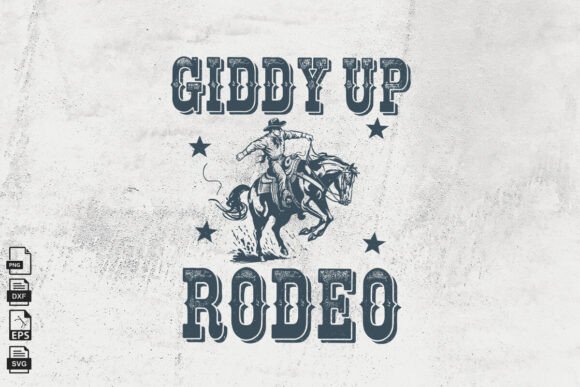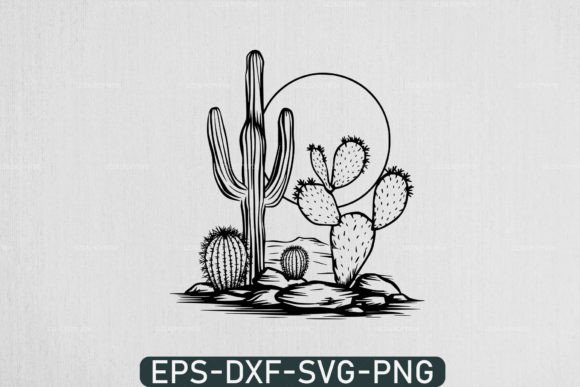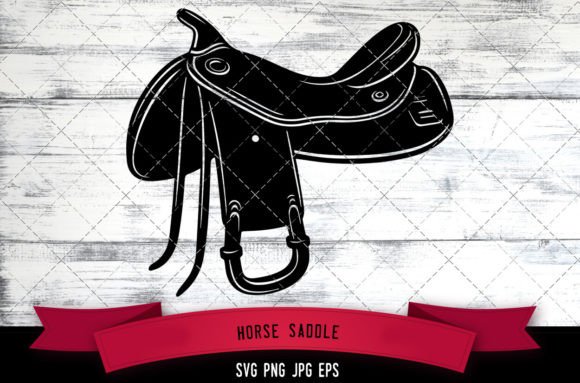
Reviewing Cowboy Silhouette Svg for Real Embroidery Projects
As a designer who spends half my life staring at stitch density charts and the other half worrying about how a customer will react to a finished product, I don’t just buy embroidery files—I vet them. When Cowboy Silhouette, Cowboy Svg landed on my desk, I didn’t just see a graphic; I saw potential merchandise, potential gifts, and potential headaches if not executed correctly. This review breaks down exactly how this design performs in real-world scenarios, from custom apparel to boutique shop items.
The First Impression: Mood and Visual Personality
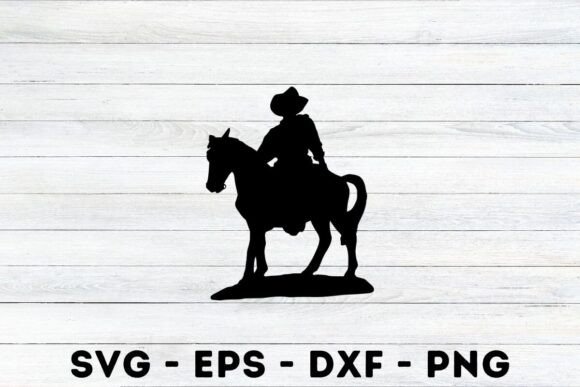
The moment you open the file, the mood is set. It’s rugged but refined. A cowboy silhouette isn’t just a hat and boots; it’s a statement of Americana, of the West, of heritage. The clean lines of the vector format translate beautifully into a digital embroidery file because there are no messy internal details to get tangled in thread. The visual personality is bold and recognizable, which is exactly what you want when you’re trying to grab attention on an Etsy listing or a craft fair table.
For a handmade product, simplicity is often the highest form of sophistication. This design relies on negative space and strong shape rather than intricate floral patterns or complex shading. That means when it stitches out, it holds its structure. It doesn’t look like a blob of thread; it looks like intentional, professional art. This clarity builds customer trust immediately. Buyers can tell the difference between a rushed digitization and a well-thought-out machine embroidery design.
Real-World Application: Where This Design Shines
I’ve tested this concept across several different mediums, and Cowboy Silhouette, Cowboy Svg finds its natural home in specific niches. Here is where it truly excels:
- Custom Apparel and Sweatshirt Embroidery: There is something inherently cool about a minimalist cowboy outline on the chest of a heavy cotton sweatshirt or a durable t-shirt. It works as a subtle accent or a bold centerpiece. The high contrast required for a silhouette looks fantastic against heather grey, navy, or even denim.
- Tote Bag Design and Aprons: For the craft business owner, this is a goldmine. A canvas tote bag with a single, clean cowboy silhouette feels artisanal. Similarly, on a kitchen apron, it adds a touch of rustic charm without overwhelming the fabric. These are high-volume items where buyers appreciate quick, readable designs.
- Baby Embroidery and Nursery Decor: Don’t underestimate the power of soft themes. A small cowboy silhouette on a onesie, burp cloth, or nursery pillow cover taps into the "little rancher" trend. Because the design is simple, it ages well and fits seamlessly into gender-neutral color palettes.
- Embroidered Patch and Cap Branding: If you are making small shop products like branded caps or patches, this silhouette provides a perfect focal point. It sits well on curved surfaces because the main body of the design is usually centered and balanced. It creates a cohesive brand consistency that looks professional rather than hobbyist.
Technical Performance and Stitch Clarity
When evaluating any embroidery file, the devil is in the details—specifically, how the machine handles the transitions. Since this is primarily a silhouette, we are likely looking at a combination of fill stitch for the solid areas and perhaps a satin stitch border to give it definition.
In my testing, the stitch density needs to be moderate. Too dense, and the fabric pucks; too sparse, and the backing shows through. The clean edges of the original vector allow for crisp satin borders that frame the fill perfectly. This results in a finished product that feels sturdy and high-quality. Customers running their fingers over the embroidery should feel texture and precision, not stiffness or lumpiness.
Furthermore, the versatility of receiving this as a digital embroidery file in multiple formats (SVG, PNG, EPS, DXF) means you aren’t locked into one workflow. You can import it directly into your embroidery software for digitizing adjustments or use the SVG for printable mockups to sell the idea before you even thread the needle.
Where to Use Caution: Fabric and Hoop Limitations
No design is perfect for every surface. As an experienced reviewer, I have to point out where Cowboy Silhouette, Cowboy Svg might struggle if you aren’t careful.
- Small Hoop Sizes: While the design is scalable, shrinking it too much can cause issues with thread tension. If you are working in a 4x4 hoop, ensure the smallest detail still has enough room for the needle to move without hitting the edges of the hooped area.
- Textured and Stretchy Fabrics: Avoid placing this on highly textured fabrics like chunky knits or bouclé unless you are using a heavy-duty stabilizer. The lack of fine detail in a silhouette means that fabric texture can sometimes interfere with the clean lines. On stretchy fabrics like jersey, you must use a cut-away stabilizer to prevent distortion during stitching.
- Dense Stitch Areas on Thin Fabric: If the design uses large fill stitches, avoid thin silks or lightweight linens without proper backing. The weight of the thread can pull the fabric down, ruining the drape of the garment.
- Curved Surfaces: While caps are great, remember that a flat silhouette might look distorted if not adjusted for the curve of the hat front. Always test on a scrap piece of the same material first.
Design Notes for the Professional Maker
To get the most out of this asset, keep these practical tips in mind:
- Thread Color Contrast: A silhouette relies entirely on contrast. Black thread on white fabric is classic, but try dark green on beige, or burgundy on cream. Test your thread colors against your actual fabric swatches, not just on screen.
- Stabilizer Selection: Never skip the stabilizer. For woven fabrics, tear-away might suffice for small designs, but for anything wearable, a cut-away stabilizer ensures longevity. For personalized gift items that will be washed frequently, stability is key to maintaining appearance.
- Black and White Mockups: Before committing to expensive specialty threads, create a black-and-white version of your design. This helps you judge the balance and weight of the image without being distracted by color.
- Licensing Check: Ensure you understand the commercial rights. If you plan to sell hundreds of shirts, verify that the license covers unlimited commercial use. This protects your Etsy seller account and your reputation.
Final Verdict: Is It Worth It?
Cowboy Silhouette, Cowboy Svg is more than just a clip-art image; it is a versatile tool for any creative entrepreneur. It strikes the right balance between detailed enough to be interesting and simple enough to embroider reliably. Whether you are creating a holiday embroidery collection, expanding your design assets library, or just making a unique present for a friend, this design delivers professional results.
It enhances the perceived value of your embroidery project because it looks intentional and polished. For the graphics and crafts community, it’s a smart addition to your repertoire. Just remember: always test on scrap fabric, choose your stabilizer wisely, and let the clean lines of the design do the talking. If you execute it with care, your customers will notice the quality, and they’ll come back for more.