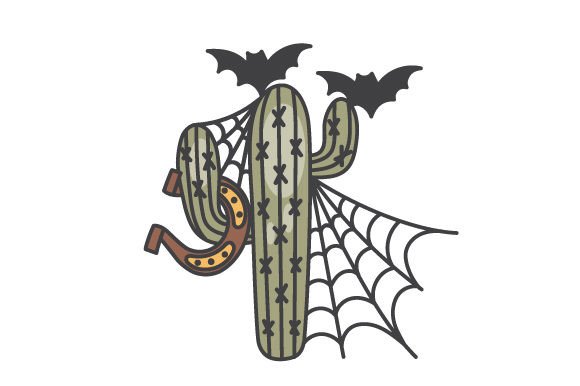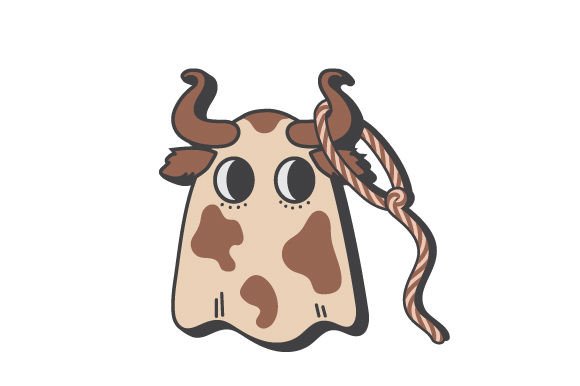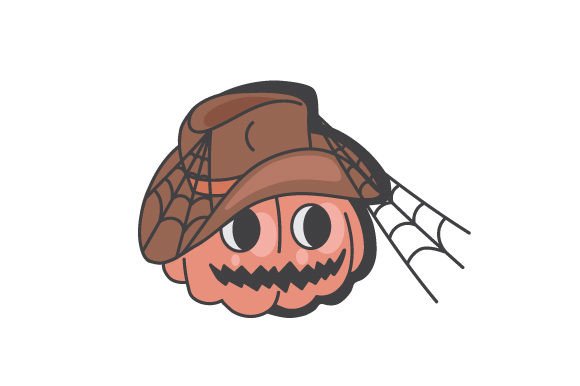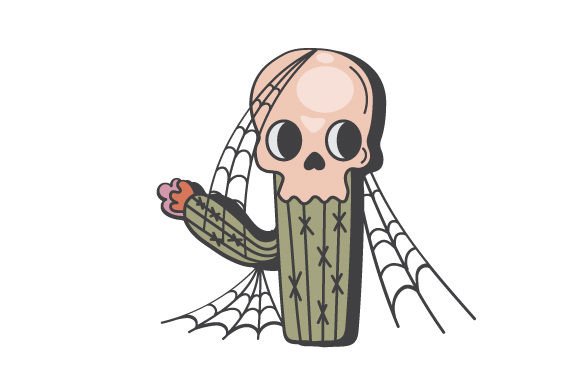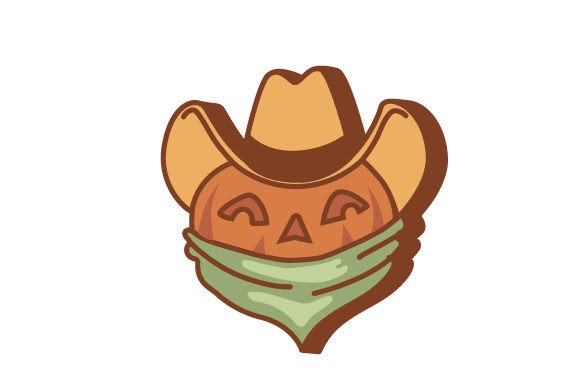
Western Pumpkin Embroidery Design Review
As a designer who spends more time than I care to admit staring at stitch lines and fabric swatches, I have developed a healthy skepticism toward new digital assets. Most are cluttered, overly complex, or simply lack the visual punch needed for a handmade product that actually sells. However, when I first pulled up the Western Pumpkin design file, I paused. It wasn’t just another generic seasonal clipart; it had a specific mood, a clear layout, and a level of detail that suggested it was built for actual embroidery work rather than just screen printing.
I recently tested this design with a very specific project in mind: a line of boutique-style tote bags and sweatshirts aimed at the Halloween market. My goal was to create something that felt rustic yet polished—something an Etsy seller or small business owner could use to build brand consistency without looking like they bought a bulk pack of low-quality designs. Here is my practical breakdown of how Western Pumpkin performs in real-world scenarios.
First Impressions and Visual Personality
The immediate takeaway from Western Pumpkin is its balance. The title suggests a theme, but the execution feels grounded. In the world of Halloween crafts, there is a fine line between "cute" and "cheap." This design leans heavily into the former. The shape and layout feel intentional, avoiding the chaotic energy that often plagues holiday-specific embroidery files. It has a visual personality that says "cozy autumn evening" rather than "spooky nightmare," which makes it incredibly versatile.
For a custom apparel decorator, this distinction matters. When you are stitching onto a heavy cotton canvas tote bag or a fleece-lined sweatshirt, you want a design that reads clearly from a distance. Western Pumpkin delivers on clarity. The negative space is handled well, allowing the eye to rest while still appreciating the intricate details. It feels like a machine embroidery design that respects the medium, utilizing the available thread colors effectively to create depth without relying on excessive complexity.
Real-World Application: From Scrap to Sale
To truly judge an embroidery file, you have to see it on fabric. I ran Western Pumpkin through several test runs before committing to a final production batch. Here is how it performed across different mediums:
- Tote Bags and Canvas Goods: This is where the design shines. The bold lines and structured shapes translate beautifully onto sturdy fabrics. For a tote bag design, it offers enough presence to stand out on a craft fair table but remains elegant enough for everyday use. Customers appreciate designs that look intentional, and this one does exactly that.
- Sweatshirt Embroidery: Testing this on a mid-weight cotton blend hoodie revealed some interesting insights. The fill stitches held up well against the texture of the fabric, creating a nice tactile contrast. However, placement is key here. Center-chest or left-chest placements worked best, giving the finished product a professional, branded look suitable for small shop products.
- Baby Embroidery and Nursery Decor: While the theme is Halloween, the softness of the design allows it to cross over into baby gifts. A onesie or nursery wall hanging featuring Western Pumpkin can serve as a unique, non-scary alternative to traditional jack-o'-lanterns. It fits perfectly into the growing market for personalized gifts that prioritize aesthetics over cliché.
- Applique and Patch Potential: Although listed primarily as an embroidery design, the clean edges of Western Pumpkin make it an excellent candidate for an applique design. If you have access to stabilizer techniques that support applique, using this as a base layer with satin stitch borders could elevate a simple patch into a high-value item.
Where to Exercise Caution
No design is perfect, and Western Pumpkin is no exception. There are specific situations where this file might struggle if not handled with care. As an experienced reviewer, I want to highlight these pitfalls so you don't end up with frustrated customers.
First, avoid placing this on highly textured or stretchy fabrics without proper stabilization. While the design is robust, loose weaves can distort the finer details, especially if you are using a lot of fill stitch density. Always test on scrap fabric first to gauge how the material interacts with the thread tension.
Second, be mindful of hoop size limitations. If you are attempting to digitize this into a smaller format for delicate items like baby embroidery on tiny bibs or socks, you may lose critical definition. The design relies on certain proportions to maintain its character. Shrinking it down too far can turn distinct elements into muddy blobs. Check your hoop size constraints before scaling.
Finally, consider the background fabric color. Western Pumpkin works best when there is sufficient contrast between the thread colors and the garment. On dark fabrics, ensure your thread palette is bright enough to pop. On light fabrics, watch out for any shadowing effects that might occur with dense stitching. Running a black-and-white mockup of the design can help you visualize how the value distribution will look once stitched.
Practical Designer Notes for Success
If you are planning to use Western Pumpkin for commercial purposes, whether for an Etsy listing or a local boutique, keep these technical tips in mind to ensure a professional result:
- Stabilizer Selection: Use a cut-away stabilizer for stretchy fabrics like sweatshirts or caps to prevent puckering. For stable fabrics like canvas totes, a tear-away may suffice, but cut-away always provides a safer margin for error.
- Thread Color Contrast: Pay close attention to the thread colors provided in the file. If you substitute threads, ensure the new colors maintain the same level of contrast. Muddy colors can ruin even the best embroidery project.
- Density Checks: Review the stitch density in your software. If the design feels too heavy for your intended fabric weight, consider reducing the density slightly or adding more pull-compensation to prevent distortion.
- Licensing and Commercial Use: Before selling finished items, confirm the licensing terms. Some digital embroidery files allow personal use only, while others permit commercial sales of the physical goods. Since you are receiving formats like SVG, PNG, EPS, and DXF, verify if these include the rights to sell embroidered versions. When in doubt, reach out to the creator or check the license agreement included with your download.
- Mockups and Presentation: Create high-quality printable mockups for your online store. Showing Western Pumpkin on various garments helps potential buyers visualize the finished product. Include close-ups that highlight the stitch quality and detail.
Final Verdict
Western Pumpkin is a solid addition to any craft business inventory. It strikes a rare balance between thematic relevance and timeless design. It is not just a fleeting Halloween novelty; it is a well-crafted piece of art that can enhance a wide range of products, from personalized gifts to commercial embroidery projects.
For designers looking to expand their offerings in the seasonal decor and apparel categories, this file offers good value. It is versatile, visually appealing, and, most importantly, it stitches cleanly. Just remember to respect the fabric, choose your stabilizer wisely, and present your work professionally. If you do, Western Pumpkin will likely become a staple in your rotation of design assets.