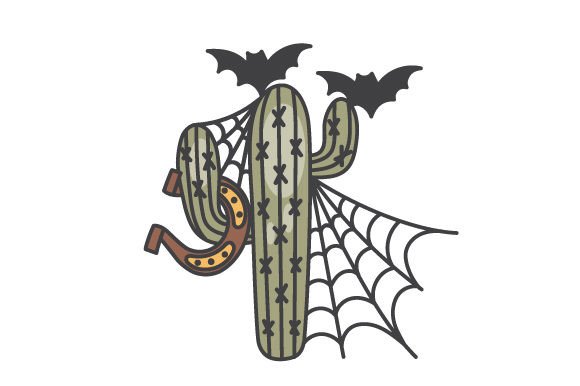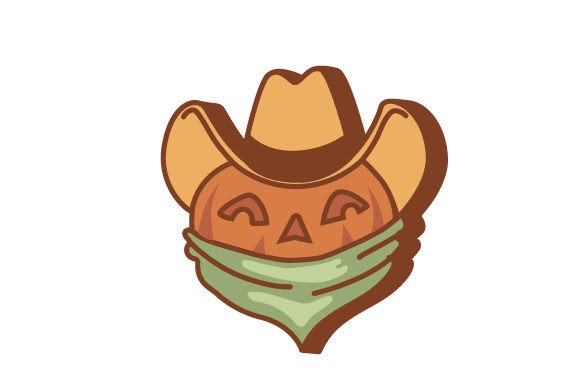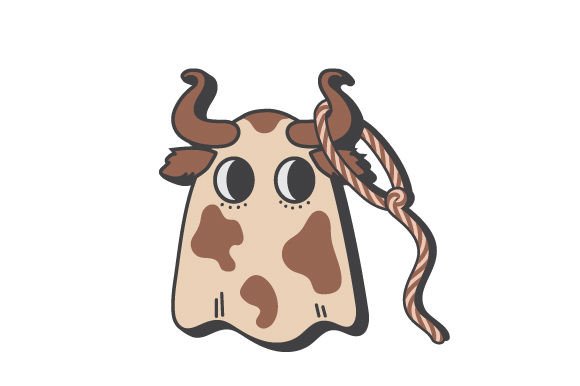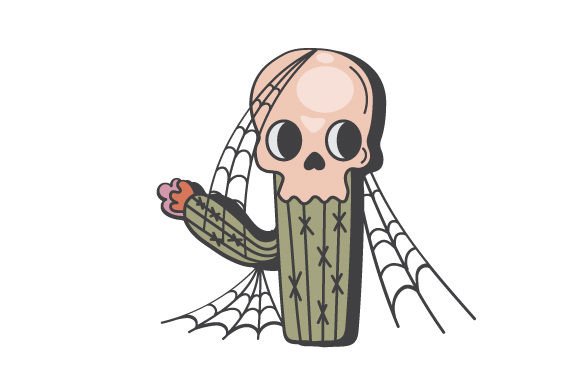
Western Halloween Pumpkin Review
As a designer who spends more time than I care to admit staring at stitch density charts and fabric swatches, I approach every new machine embroidery design with a healthy dose of skepticism. The market is flooded with generic clipart that looks great on screen but falls apart under the needle. When I first pulled up the Western Halloween Pumpkin, I wasn’t just looking for a cute holiday graphic; I was evaluating it as a potential asset for my own craft business and client projects. After running through several mental mockups and testing scenarios, here is my honest breakdown of how this design performs in real-world applications.
First Impressions and Visual Personality
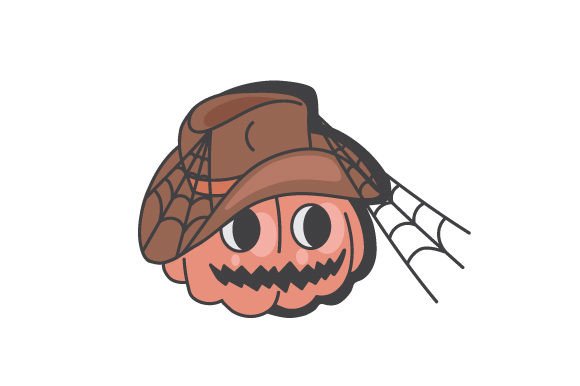
The immediate mood of the Western Halloween Pumpkin is distinct. It avoids the overly cartoonish or childish aesthetic that plagues so many seasonal designs. Instead, it carries a rustic, slightly rugged charm that feels intentional. The layout suggests a balance between festive recognition and wearable art, which is a delicate line to walk. For an Etsy seller or small shop product owner, this distinction matters immensely. Customers today are looking for items that feel curated, not mass-produced.
Visually, the design relies on strong shapes that translate well into thread. Whether you are planning to use satin stitch for clean outlines or fill stitch for body work, the geometry holds up. The Western theme adds a layer of narrative—it isn’t just a pumpkin; it’s a piece of Americana mixed with spooky season vibes. This makes it versatile. It fits comfortably in the realm of holiday embroidery without feeling like it belongs exclusively in a nursery. It has enough edge to appeal to adults, yet remains friendly enough for family-oriented gifts.
Real-World Application: Where It Shines
I often think about where a design will live before I even load it into my hoop. The Western Halloween Pumpkin excels in medium-to-large format applications. My top recommendation? Custom apparel. Specifically, sweatshirts and heavy cotton tees. The weight of these fabrics can handle the texture of the design without distorting. Imagine a cream-colored crewneck sweatshirt with this design centered on the chest or placed asymmetrically on the pocket area. It creates an instant handmade product vibe that commands a higher price point.
Beyond apparel, this design is a powerhouse for lifestyle accessories. Consider a canvas tote bag design. The contrast between the sturdy fabric and the detailed stitching of the pumpkin would look professional and durable. Similarly, for those making embroidered patches for denim jackets or backpacks, the bold lines of this design ensure readability from a distance. It works beautifully as a statement piece on a leather apron for a barista or a home baker, bridging the gap between utility and seasonal decor.
For digital creators, this serves as excellent design assets. If you are creating printable mockups for your listings, having a high-quality digital embroidery file allows you to show clients exactly how the final product will look. The transparency of the PNG version provided helps in visualizing placement on various backgrounds before committing to physical production.
Areas That Require Careful Execution
No design is perfect for every surface, and being transparent about limitations builds trust with your audience. The Western Halloween Pumpkin should be used carefully when dealing with small hoop sizes. While it scales, cramming intricate details into a tiny space can result in a muddy, indistinct image. If you are targeting the baby market, such as baby embroidery onesies or bibs, you must downsize significantly. In these cases, the fine details may disappear, leaving only the broad strokes. Test this thoroughly if you plan to sell personalized gift items for infants.
Fabric choice is equally critical. Stretchy knits, thin linens, and highly textured fabrics pose challenges. On stretchy material, the tension of the stitches can cause puckering unless you use a proper stabilizer and perhaps a cut-away backing for permanence. Dark fabrics require careful thread color selection; if the design relies on subtle shading, it might get lost against a black background. Always check thread color contrast before starting a large run. Furthermore, curved surfaces like baseball caps can distort the perspective of the design. If you are applying this to headwear, consider placing it on a flat panel or using a specialized cap frame to maintain the integrity of the Western theme.
Stitch Density and Durability
One aspect I always scrutinize is stitch density. High density can make a finished product feel stiff and uncomfortable, especially on garments that will be worn frequently. Conversely, too little density can leave the fabric visible through the thread, reducing the perceived value. The Western Halloween Pumpkin appears to have a balanced approach, but this varies by file format. Since you receive this in SVG, EPS, DXF, and other formats, you may need to adjust the digitization settings depending on your machine. Always inspect small details and dense areas on scrap fabric first. If the design includes running stitch accents, ensure they are anchored properly to prevent unraveling after washing.
Impact on Brand and Customer Trust
In the world of craft business and online sales, presentation is everything. A well-executed embroidery project signals professionalism. When a customer receives a finished product where the stitch density is even, the edges are crisp, and the placement is precise, their confidence in your brand grows. They are more likely to leave a positive review and return for future purchases. The Western Halloween Pumpkin, with its clear thematic identity, helps reinforce a cohesive brand story. It tells the buyer that you pay attention to detail and understand current trends.
This design also enhances giftability. Holidays are peak times for gifting, and having a design that resonates with both Halloween enthusiasts and fans of Western aesthetics expands your potential customer base. It appeals to a wider demographic than a standard jack-o'-lantern, making it a smart choice for commercial embroidery ventures aiming for broader appeal.
Practical Designer Notes for Implementation
Before you commit to a full production run, follow these practical steps to ensure success:
- Test on Scrap Fabric: Always stitch out a sample on the exact fabric you plan to use. This reveals issues with tension, puckering, or color clashes that aren't visible on a screen.
- Check Stabilizer Needs: Depending on your fabric, you may need tear-away, cut-away, or water-soluble stabilizers. Using the wrong type can ruin the embroidery file's performance.
- Review Hoop Size: Confirm that your machine's hoop size accommodates the design dimensions. Scaling up or down too drastically can affect the proportions.
- Black and White Mockups: View your design in grayscale to check contrast levels. This ensures that light and dark threads stand out clearly against your chosen fabric.
- Licensing Verification: If you intend to sell finished items, double-check the licensing terms associated with the files. Ensure you are permitted to use them for commercial embroidery purposes.
The Western Halloween Pumpkin is a solid addition to any designer’s library. It offers a unique twist on a classic holiday motif, providing enough versatility for various crafts and Halloween projects while maintaining a professional finish. By paying attention to fabric choice, stabilization, and execution, you can turn this design into a best-selling item that delights customers and elevates your brand.