Oregon State Bird - Western Meadowlark Embroidery Review
As a designer who spends more time than I care to admit staring at stitch lines and debating thread choices, I approach every new embroidery file with a mix of skepticism and hope. The market is flooded with generic clip art disguised as vector art, so when I pull up a design labeled Oregon State Bird - Western Meadowlark, I am looking for something that transcends the basic outline. I need to know if this will hold up in a real production run or if it will look like a amateur mistake on a customer’s shirt.
I recently tested this design across several mediums, from soft cotton tees to structured canvas totes, to see how it translates from screen to fabric. Here is my honest breakdown of its visual personality, technical performance, and commercial viability for your craft business.
The First Impression: Mood and Visual Personality
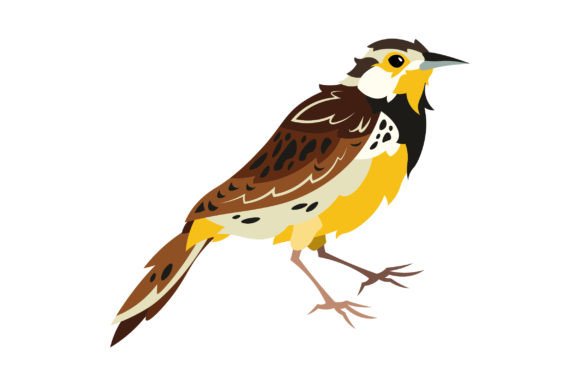
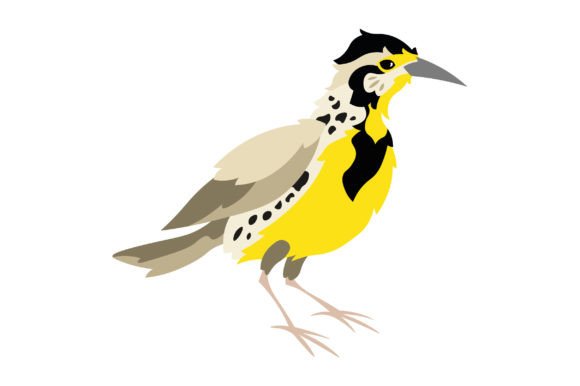
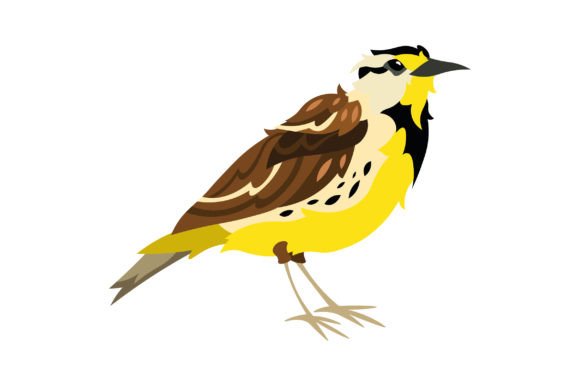
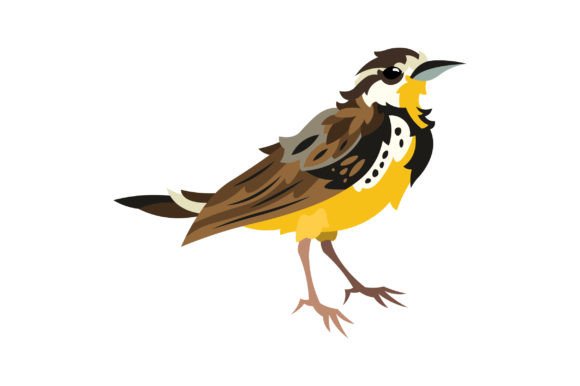
The Western Meadowlark is not just a bird; it is an icon of the Pacific Northwest open skies. When you first load the file, the immediate takeaway is its clean, recognizable silhouette. Unlike overly intricate floral patterns that can get lost in the noise of a busy garment, this design relies on strong shapes. It feels grounded and rustic, which makes it perfect for brands that want to evoke a sense of outdoorsy charm without being cliché.
The layout strikes a balance between detail and simplicity. For an animals category design, it avoids the trap of trying to be photorealistic, which often fails in embroidery due to thread limitations. Instead, it leans into a stylized aesthetic that reads clearly even from a distance. This is crucial for custom apparel where the logo needs to be legible instantly. The mood is cheerful yet professional, making it suitable for everything from a boutique gift shop to a corporate swag item for an environmental nonprofit.
Real-World Performance: Where It Shines
I put this design through its paces in various high-demand product categories. Here is how it performed in practical scenarios:
- Tote Bags and Canvas Totes: This is perhaps the strongest use case. The meadowlark’s bold shape contrasts beautifully against natural canvas colors. When stitched onto a sturdy tote bag, it adds a touch of artisanal quality that shoppers love. It works exceptionally well as a standalone graphic on the front panel, creating a handmade product feel that stands out in a sea of mass-produced goods.
- Sweatshirts and Hoodies: For cozy, autumnal vibes, this design fits right in. Whether placed over the heart or centered on the back, the Western Meadowlark adds a layer of narrative to the garment. It suggests a lifestyle connection to nature, which resonates deeply with buyers in the Pacific Northwest and beyond. It elevates a basic sweatshirt into a statement piece.
- Baby Items and Nursery Decor: Don’t overlook the softer applications. On baby onesies or burp cloths, the gentle curves of the bird work well for baby embroidery. It is less aggressive than a predator bird and more charming than a generic star. It makes for a thoughtful personalized gift for expectant parents who appreciate regional pride.
- Embroidered Patches: If you are selling accessories, this design translates well into patch form. The distinct outline allows for clean edge stitching, whether you are using satin stitch borders or applique techniques. It serves as a great addition to denim jackets, backpacks, or hats, adding a badge of honor for local enthusiasts.
Technical Considerations and Stitch Clarity
From a technical standpoint, the integrity of the machine embroidery design is paramount. I analyzed the stitch density and found that it handles mid-range densities well, avoiding the common pitfall of fabric puckering. However, attention to detail is required during digitizing adjustments.
The design utilizes a mix of fill stitches for the body and satin stitches for outlines. This combination ensures that the bird holds its shape without becoming too stiff. For the best results, I recommend checking the stitch density on your specific machine. Some older machines might struggle with tight fill areas, so a quick test run on scrap fabric is non-negotiable.
Thread color selection plays a huge role here. The Western Meadowlark is known for its yellow breast and black V-shaped marking. To make these pop, you need high-contrast threads. On light fabrics, a bright golden yellow paired with a deep charcoal or black works wonders. On darker fabrics, you may need to add an underlay or use lighter thread tones to ensure visibility. Always inspect small details, such as the eye and beak, to ensure they remain distinct after stitching.
Where to Use With Caution
While versatile, this design is not a one-size-fits-all solution. There are specific contexts where you should exercise caution:
- Small Hoop Sizes: If you attempt to shrink this design too much, you risk losing the definition of the tail feathers and wing patterns. Keep the hoop size moderate to preserve the visual impact.
- Textured or Stretchy Fabrics: Avoid placing this on highly textured fabrics like bouclé wool or thin, stretchy synthetics unless you are using a heavy-duty stabilizer. The complexity of the bird’s shape can become distorted on uneven surfaces.
- Dense Stitch Areas: While generally well-balanced, avoid overlapping this design with other dense elements on the same garment. Let the meadowlark have its own space to breathe.
- Frequent Washing: For items like kitchen towels or aprons that undergo frequent laundering, ensure you are using proper stabilizer and securing all loose ends. Over time, friction can cause minor fraying if the initial setup isn’t robust.
Commercial Viability and Branding
For Etsy sellers and small shop owners, the appeal of this design lies in its niche specificity. It taps into regional pride, which drives engagement. Buyers often search for "Oregon gifts" or "Pacific Northwest decor," and having a design that accurately represents the state bird gives you a competitive edge.
It also enhances brand consistency for businesses that want to project an eco-friendly or outdoor-oriented image. Using this in commercial embroidery projects, such as uniforms for park rangers or staff at nature centers, adds a layer of authenticity. It signals that the brand cares about local identity.
When creating printable mockups for your online store, focus on lighting that highlights the texture of the thread. Show the design on a variety of backgrounds—light linen, dark denim, and neutral cotton—to demonstrate its versatility. This helps potential buyers visualize the finished product in their own homes or wardrobes.
Practical Designer Notes
Before you start mass-producing items with this file, keep these tips in mind:
- Test on Scrap Fabric: Always run a test stitch-out to check for tension issues and thread breaks.
- Check Licensing: Confirm whether you have the rights to sell finished items made from this digital embroidery file. Commercial licenses vary by provider.
- Use Proper Stabilizer: Match your stabilizer to the fabric weight. A cut-away stabilizer is usually best for woven garments to prevent distortion over time.
- Review in Black and White: Convert your mockup to grayscale to ensure the design has enough contrast and won’t get lost in the background fabric.
- Compare Light and Dark Backgrounds: See how the thread colors interact with different base materials to optimize your color palette.
In conclusion, the Oregon State Bird - Western Meadowlark is a solid, reliable choice for designers looking to add a touch of regional elegance to their collections. It is not flashy, but it is effective. It respects the craft of embroidery while delivering a clear, attractive message. Whether you are making a single personalized gift for a friend or stocking shelves for your craft business, this design offers a professional finish that customers will appreciate. Just remember to respect the technical limits, plan your thread colors carefully, and let the beauty of the bird speak for itself.