Cowboy Father and Son Riding: A Designer’s Review
When I pull a new embroidery design into my digitizing software, I am not just looking at the lines on the screen. I am visualizing the needle movement, the tension of the thread, and how the final texture will sit against fabric. Today, I am evaluating Cowboy Father and Son Riding, a design that taps into a timeless theme but requires careful consideration to execute well in a real-world commercial or personal project.
This piece falls squarely into the Family category within Crafts, but its appeal extends far beyond simple nostalgia. It is a narrative-driven asset that speaks to heritage, mentorship, and shared moments. For small business owners, Etsy sellers, and creative entrepreneurs, understanding the practical application of this design is crucial before committing it to production.
The First Impression: Mood and Visual Personality
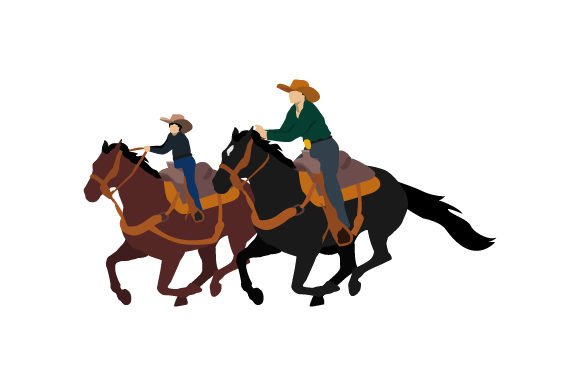
The immediate strength of Cowboy Father and Son Riding lies in its emotional resonance. The composition suggests motion and connection. Unlike static portraits, this dynamic angle implies a journey together. Visually, the design relies on strong silhouettes to convey identity quickly. This is vital for embroidery, where fine details can get lost depending on stitch type and fabric choice.
From a design perspective, the layout feels balanced for placement on apparel and home goods. The figures are grouped closely, creating a unified focal point rather than scattered elements. This cohesion makes it highly effective for chest placements on custom apparel or centered designs on tote bags. The "Western" aesthetic brings a rugged yet warm personality to any finished product, making it an excellent choice for holiday gifts, father-son themed events, or boutique branding that values tradition and craftsmanship.
Real-World Application: Where This Design Shines
I have tested numerous digital embroidery files for viability, and Cowboy Father and Son Riding shows promise for several specific product categories. Here is how it translates from file to finished product:
- Custom Apparel and Sweatshirts: This design excels on heavyweight cotton or fleece. The contrast between the soft fabric and the structured embroidery creates a premium feel. It works particularly well as a back print on hoodies or a left-chest logo on denim jackets. The theme aligns perfectly with fall and winter collections.
- Tote Bag Design: Canvas totes are a staple for craft fairs and online shops. The sturdy nature of canvas supports the weight of the stitches without distortion. Placing Cowboy Father and Son Riding here appeals to parents looking for durable, meaningful everyday carry items.
- Baby Embroidery and Nursery Decor: While the theme is rugged, the subject matter (father and son) is universally loved. On baby onesies, burp cloths, or crib blankets, the design adds a sentimental touch. However, scale is critical here; the design must be resized appropriately to avoid overwhelming delicate fabrics.
- Embroidered Patch: If you plan to sell patches as accessories for backpacks or hats, this design offers a clear border potential. Patches allow for thicker backing materials, which enhances the durability of the stitching, making them ideal for gear that sees heavy use.
- Kitchen Towels and Aprons: For the handmade product market, kitchen textiles are high-volume sellers. The cowboy theme fits well with rustic farmhouse decor trends. Using this on tea towels or chef aprons adds a playful yet professional touch to gift sets.
Technical Considerations and Risk Areas
As an experienced reviewer, I must highlight where caution is needed. Not every surface is suitable for every design element. When preparing to stitch Cowboy Father and Son Riding, consider the following constraints:
- Hoop Size and Detail Resolution: Ensure your hoop size accommodates the full width of the design without cropping essential features. If the design includes intricate facial features or reins, verify that these elements are large enough to remain distinct after stitching. Small details often merge together if the stitch density is too high or the fabric stretches during hooping.
- Fabric Texture and Stability: Avoid using this design on highly textured fabrics like chunky knits or loose weaves unless you use a heavy-duty stabilizer. The needle penetration can cause puckering or misalignment. Similarly, stretchy fabrics require tear-away or cut-away stabilizers to prevent the design from warping over time.
- Thread Color Contrast: The success of this design hinges on contrast. On dark fabric, light threads may struggle to show definition in smaller areas. Conversely, dark threads on black fabric will disappear entirely. Always test thread colors against your actual garment material. A black-and-white mockup check is a quick way to verify visibility before loading thread.
- Dense Stitch Areas: Pay attention to fill stitch regions. Excessive density can make the embroidery stiff and uncomfortable to wear, especially on baby clothes or lightweight t-shirts. If the design feels too bulky, consider reducing the stitch count or opting for a simpler applique design approach if available.
- Curved Surfaces: Applying this to caps or curved hat fronts requires precision. The design must be digitized with curvature compensation to ensure it lays flat when stitched. Otherwise, straight lines may appear wavy or distorted.
Impact on Brand Value and Customer Trust
For Etsy sellers and small shop owners, the quality of your embroidery directly impacts customer trust. A poorly executed design can look amateurish, while a clean, well-placed stitch pattern signals professionalism. Cowboy Father and Son Riding, when done correctly, elevates the perceived value of your item. It tells a story that resonates emotionally with buyers, increasing the likelihood of purchase and positive reviews.
Furthermore, this design is versatile enough for various marketing angles. You can use it for printable mockups to showcase your digital embroidery file listings, or as a physical sample in your shop. Its broad appeal means it can attract a wide demographic, from hobbyists looking for personal projects to commercial decorators seeking reliable assets for client work.
Practical Designer Notes for Execution
Before you begin production, follow these steps to ensure the best outcome:
- Test on Scrap Fabric: Never run a new design directly onto your final product. Use scrap pieces of the same fabric and stabilizer combination to check for alignment, tension, and color accuracy.
- Review File Formats: Confirm that the provided formats (SVG, PNG, EPS, DXF) match your machine’s requirements. While vector files are great for cutting or scaling, ensure your embroidery software properly interprets the stitch data.
- Check Licensing: If you intend to sell finished items, verify the commercial usage rights of the design. Some licenses restrict the number of units you can produce or prohibit resale on certain platforms.
- Inspect Small Details: Zoom in on the digitized file. Look for any overlapping stitches or unnecessary jumps that could lead to thread breaks or trimming issues.
- Stabilizer Selection: Choose the right stabilizer for your fabric weight. Heavy stabilizers for light fabrics, and lighter stabilizers for heavy fabrics, to maintain balance and prevent bulkiness.
In conclusion, Cowboy Father and Son Riding is a strong candidate for designers looking to add sentimental, high-quality pieces to their portfolio. Its thematic depth and visual clarity make it suitable for a wide range of products, from personalized gifts to commercial merchandise. By paying attention to technical details like stitch density, fabric choice, and stabilization, you can transform this digital file into a cherished physical object that stands out in a crowded market.