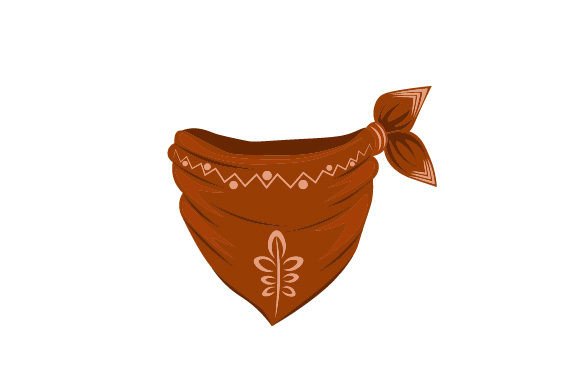
Boho Cowboy Bandana Review
As a designer who spends half my life in the embroidery hoop and the other half worrying about profit margins, I don’t just look at a design file; I look at its potential. When Boho Cowboy Bandana landed on my desk, I didn’t immediately see a cute graphic. I saw a finished product waiting to happen. I saw a tote bag sitting on a boutique counter. I saw a sweatshirt on a customer’s back. I saw the kind of item that gets saved in an Instagram story before it even gets bought.
This review isn’t about the technical specs alone—though those matter. It’s about the soul of the design. Does it have personality? Will it stitch cleanly? And most importantly, will it sell? Let’s dive into how this machine embroidery design performs when you move it from the screen to the fabric.
The First Impression: Mood and Aesthetic
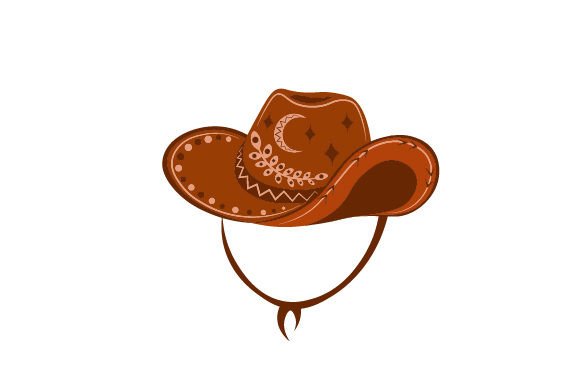
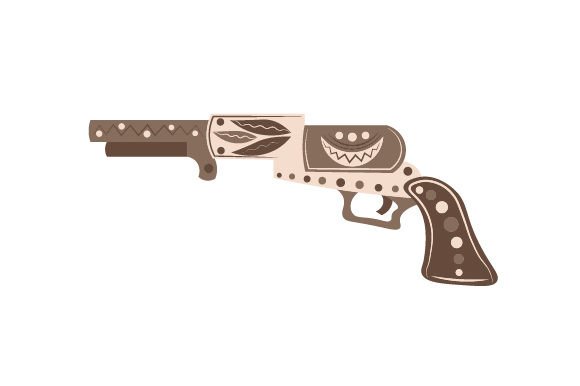
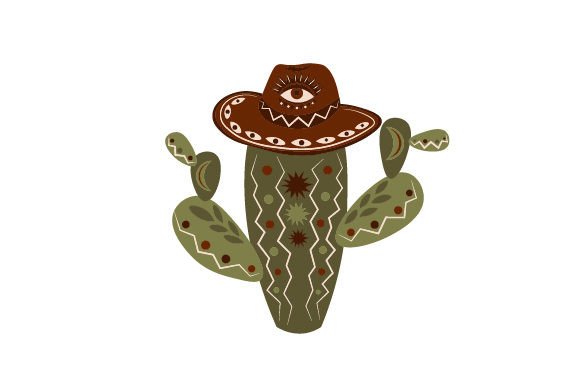
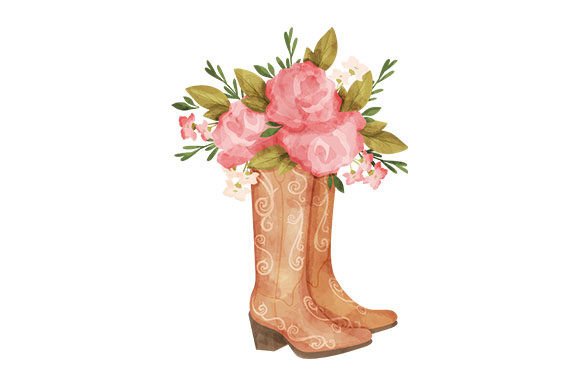
The name says it all, but the visual execution is what sells it. The Boho Cowboy Bandana strikes a balance between rugged utility and free-spirited elegance. It doesn’t scream for attention with loud colors or chaotic shapes; instead, it whispers with character. The layout feels organic, which is crucial for modern handmade aesthetics. It fits perfectly into the current trend of "quiet luxury" meets "rustic charm."
For the Etsy seller or the small shop owner, this is gold. It appeals to two massive demographics simultaneously: the bohemian traveler and the western-inspired minimalist. This dual appeal increases your market reach without you having to create two separate designs. The visual personality is distinct enough to be recognizable but versatile enough to work on a variety of substrates. It feels like a design that belongs in a curated gift box or as a standalone statement piece on apparel.
Real-World Application: Where This Design Shines
I took Boho Cowboy Bandana out of the digital realm and put it into practical scenarios. Here is where it truly excels.
- Custom Apparel: On a high-quality cotton sweatshirt, this design pops. The contrast between the soft fleece and the structured embroidery gives it a premium feel. It works beautifully as a left-chest placement for a subtle logo effect or centered on the back for a bold statement. It elevates basic blanks into custom apparel that customers are proud to wear.
- Tote Bags and Market Accessories: There is something inherently rustic about a bandana motif on canvas. When stitched onto a heavy-duty tote bag design, it reinforces the idea of durability and style. It looks like a brand identity rather than just a decoration. For craft fair vendors, this is an instant conversation starter.
- Baby and Nursery Items: Don’t let the "cowboy" title fool you; this has a softness that translates well to baby embroidery. On a muslin blanket or a onesie, the boho elements soften the western theme. It makes for a perfect personalized gift for baby showers, bridging the gap between traditional gender-neutral naming and trendy decor styles.
- Kitchen and Home Decor: I tested this on tea towels and pillow covers. The embroidery project holds up well here because the lines are clean. It adds a touch of farmhouse chic to any kitchen. It’s not just a novelty item; it’s a home accent that feels intentional and designed.
Technical Performance and Stitching Clarity
A pretty design is useless if it puckers the fabric or loses detail during stitching. From a reviewer’s standpoint, the clarity of Boho Cowboy Bandana is its strongest asset. The design utilizes a mix of stitch types effectively. You get the definition of satin stitches for outlines, balanced by fill stitches for body, and likely some running stitches for texture.
This variety prevents the "blobby" look that plagues many digital files. The stitch density appears optimized, meaning it shouldn’t overwhelm lighter fabrics. However, this brings us to a critical point: fabric choice matters immensely. Because the design has intricate details, it demands a stable base. If you are working with stretchy knits or loose weaves, you must use the right stabilizer to prevent distortion. The design itself is forgiving, but the fabric underneath is not.
Where to Use Caution
No design is perfect for every surface. As an experienced maker, I urge you to be strategic. Here are the areas where Boho Cowboy Bandana might face challenges:
- Small Hoop Sizes: While the design is compact, cramming it into a tiny hoop can make individual stitches hard to distinguish. Ensure your final product allows for enough space so the eye can appreciate the nuance.
- Textured Fabrics: Avoid thick plaids, bouclé, or heavily textured linens. The needle may struggle to penetrate evenly, and the background noise of the fabric will compete with the design’s details.
- Dense Stitch Areas: If you plan to add heavy layering or combine this with other dense graphics, watch your thread tension. Too much thread in one spot can lead to breaks or bulkiness, especially on apparel decorators items like caps where comfort is key.
- Curved Surfaces: Embroidering on hats or curved seams requires practice. The flat nature of the bandana shape needs to conform to the curve without distorting the central motif. Test this on scrap material first.
Visual Appeal and Brand Value
In the world of craft business and online selling, visual consistency builds trust. Boho Cowboy Bandana contributes to a professional brand image because it looks finished. It doesn’t look like a clip-art afterthought. When you present this in a printable mockup or a listing photo, it signals quality.
Customers associate clear, crisp embroidery with care and craftsmanship. This design enhances that perception. It boosts the perceived value of your finished product. Whether you are selling a single apron or a bundle of kitchen towels, the presence of this design suggests that you have a keen eye for trending, timeless aesthetics. It helps your handmade product stand out in a saturated market by offering a specific, cohesive vibe.
Practical Designer Notes for Success
Before you run this through your machine for a client order, follow these steps to ensure success:
- Test on Scrap Fabric: Always do a test run. Check how the threads interact with your specific fabric weight. Look for puckering or bird-nesting.
- Check Thread Contrast: The design relies on definition. Ensure your thread colors provide enough contrast against your fabric. On dark fabrics, light threads might get lost; on light fabrics, dark threads might be too harsh. Find the sweet spot.
- Review in Black and White: Convert your design preview to grayscale. This helps you see the balance of light and dark areas, ensuring no part of the design gets visually swallowed by another.
- Confirm Licensing: If you are a digital product seller or creating goods for mass production, verify the license terms. Make sure you are cleared for commercial use before listing on platforms like Etsy or Amazon Handmade.
- Inspect Small Details: Zoom in on the digital file. Are there tiny elements that might break off during trimming? Adjusting these slightly can save you hours of rework.
Final Verdict
Boho Cowboy Bandana is more than just a decorative file; it is a versatile tool for any creative entrepreneur. It bridges the gap between niche western themes and broad boho trends, making it a smart investment for your design library. Whether you are creating a holiday embroidery collection, updating your shop merchandise, or crafting a unique personalized gift, this design delivers on both aesthetic and functional fronts.
It respects the limits of the medium while maximizing the impact of the message. For the maker who values quality, clarity, and marketability, this is a design worth adding to your repertoire. Just remember: the best embroidery comes from thoughtful preparation. Test your setup, choose your fabrics wisely, and let the design speak for itself. Your customers will notice the difference.